


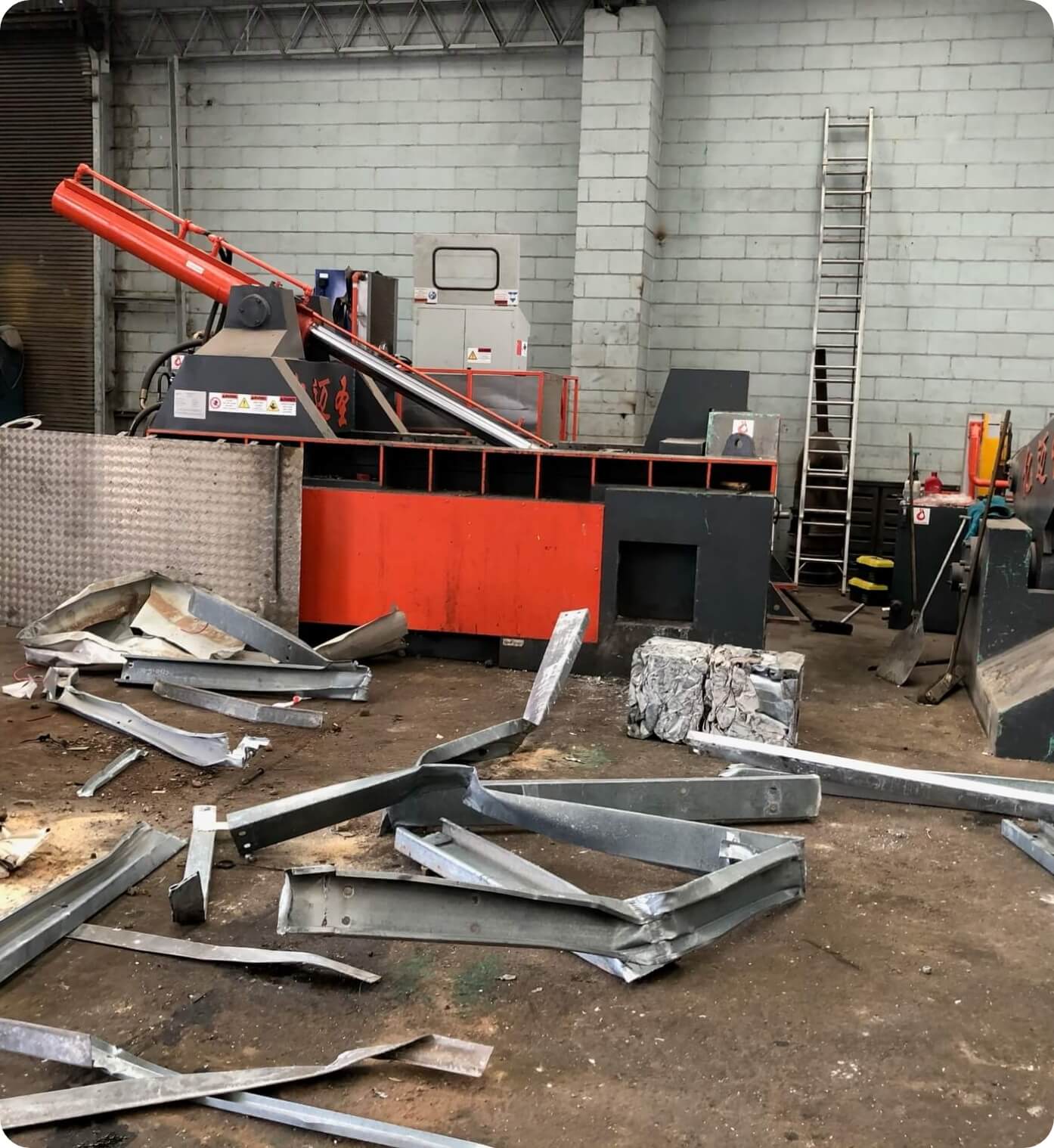
 Air Conditioner Scrap
 Battery Scrap
 ELECTRICAL MOTORS SCRAP
 ELECTRICAL WIRE SCRAP
 CLEAN LEAD SCRAP METAL
 BRASS SCRAP METAL
 COPPER SCRAP METAL
 STAINLESS STEEL SCRAP
 ALUMINIUM SCRAP
 SCRAP METAL RECYCLING
 SCRAP METAL REMOVAL
 CAR YARDS
 CAR REMOVAL
 VEHICLE DISPOSAL
 MONEY FOR CAR REMOVAL
Striking Symbols: Lightning in Myth, Media and Game Design
Lightning has long served as a potent symbol across cultures, carrying meanings that range from divine intervention to sudden insight. Its visual drama and auditory impact make it an effective motif in literature, film and interactive media. Examining how lightning is used helps clarify broader patterns in storytelling and design, and reveals why certain sensory cues reliably influence audience response.
Lightning in Myth and Cultural Imagery
Across historical traditions, lightning often signifies a breach between worlds. In Indo-European myth it is associated with sky deities who wield thunderbolts as instruments of authority, while in East Asian iconography lightning can connote transformative energy or sudden change. Anthropologists note that the element’s unpredictability and destructive potential reinforce its role as a marker of liminal moments — events that interrupt ordinary life and demand attention.
These symbolic associations have persisted into modern narratives. When storytellers evoke a storm, they frequently signal a turning point or moral reckoning. Such continuity underscores a cognitive tendency to map dramatic natural phenomena onto social and psychological events.
From Symbol to Mechanics: How Lightning Shapes Game Design
Game designers translate symbolic resonance into mechanics and aesthetics by borrowing lightning’s qualities: intensity, suddenness and high contrast. Visually, bright flashes and high-contrast lighting cues focus player attention; mechanically, random or high-impact features can reproduce the sense of sudden change that lightning implies. The result is a set of design tools that can alter pacing and emotional tone within a game.
In many titles, designers adapt visual and auditory cues of storms into reward mechanics, and one contemporary instance, Lightning Storm slot, demonstrates how layered effects and bonus rounds can mimic the unpredictability of weather while structuring player expectation. The use of dynamic sound design, punctuated lighting and intermittent high-reward opportunities parallels the natural rhythm of a storm and helps create memorable moments without relying solely on narrative content.
Player Perception and Emotional Impact
Psychological research on sensory salience supports the idea that abrupt visual and auditory changes heighten arousal and focus. Studies in cognitive psychology suggest that sudden stimuli elicit orienting responses and can temporarily narrow attentional scope, making players more receptive to subsequent rewards or information. Designers exploit this by timing impactful events to coincide with moments when players are most engaged.
However, the same mechanisms that increase engagement can also elevate stress or fatigue if overused. Responsible designers balance intensity with recovery periods, using variance to maintain interest without overwhelming the player. This balance reflects a broader design ethic that values sustained engagement over short-lived spikes of excitement.
Contemporary Reflections on Symbolic Design
As interactive media continue to borrow from deep cultural symbols, it becomes important to consider both efficacy and ethics. Lightning’s dramatic power makes it a useful shorthand, but creators must remain aware of how repetitive or exaggerated use can desensitize audiences or simplify complex themes. When employed thoughtfully, storm motifs can enrich narrative and interaction; when applied carelessly, they risk becoming mere spectacle.
Understanding the cultural history and cognitive effects of such motifs helps creators make deliberate choices. That kind of evidence-informed practice is essential for design that aspires to be resonant rather than merely attention-grabbing.