

 Air Conditioner Scrap
 Battery Scrap
 ELECTRICAL MOTORS SCRAP
 ELECTRICAL WIRE SCRAP
 CLEAN LEAD SCRAP METAL
 BRASS SCRAP METAL
 COPPER SCRAP METAL
 STAINLESS STEEL SCRAP
 ALUMINIUM SCRAP
 SCRAP METAL RECYCLING
 SCRAP METAL REMOVAL
 CAR YARDS
 CAR REMOVAL
 VEHICLE DISPOSAL
 MONEY FOR CAR REMOVAL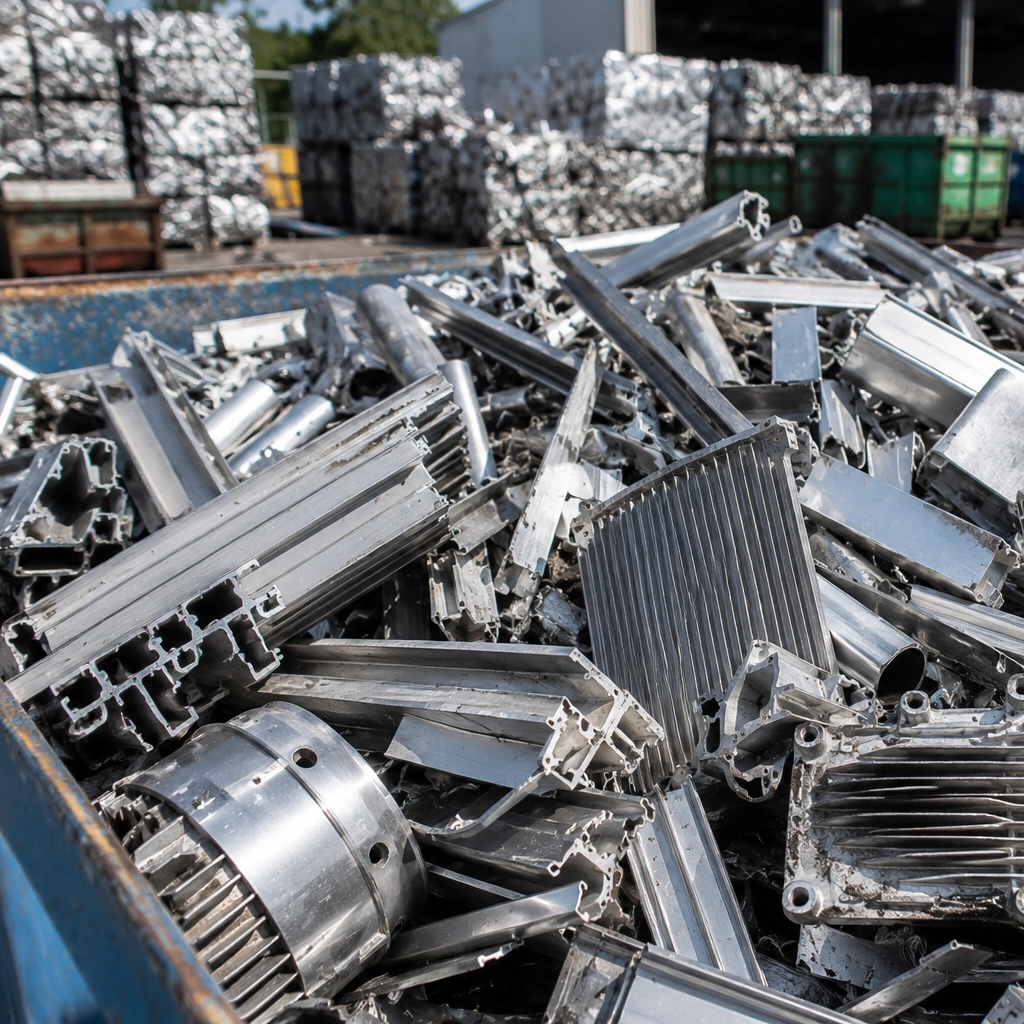
Aluminium has a funny way of building up without anyone noticing. A few old window frames leaning against the shed wall, a pile of drink cans nobody has bothered to take anywhere, an old ladder that has seen better days, a couple of alloy wheels from a car that is long gone. None of it looks like much on its own, but aluminium is one of the more valuable common scrap metals in Melbourne right now, and it adds up faster than people expect.
Rather than just listing generic selling options, this guide is organised around where your aluminium is actually coming from, since that tends to be the more useful question. A household clean out, a renovation, an old car, and a trade business all produce different kinds of aluminium scrap, and knowing which one you are dealing with makes it much easier to work out what you have and roughly what it is worth.
If Your Aluminium Is Coming From a Household Clean Out
This is the most common starting point. Household aluminium tends to be a mixed bag: drink cans, old cookware, a broken clothes airer, maybe an old flyscreen frame or two. Individually these items are light and not worth much, but combined they can form a reasonable load, particularly if you have been collecting cans for a while.
For household quantities, a straightforward drop off at a local scrap yard is almost always the easiest path. There is no minimum load size at most yards, so even a modest bag of cans and odds and ends is worth bringing in rather than sending to landfill. Cans and mixed household aluminium sit at the lower end of the aluminium pricing scale, generally between $0.50 and $0.90 per kilogram, because the load is usually mixed and unsorted.
If Your Aluminium Is Coming From a Renovation or Demolition
Renovations are where aluminium really starts to add up. Window frames, door frames, roller shutters, guttering, and roof sheeting are all common aluminium sources on a renovation or demolition job, and they are usually cleaner and more valuable than household mixed scrap because they are a single, identifiable type of aluminium rather than a jumble of odds and ends.
Clean aluminium extrusion, the kind you get from window and door frames, is one of the better paying categories of aluminium scrap, typically ranging from $1.80 to $2.80 per kilogram depending on condition. Powder coated frames are still accepted and still worth selling, just priced slightly below bare, uncoated extrusion because of the extra processing involved.
For renovation quantities, particularly if you are dealing with a whole house worth of old frames, it is worth asking about a scheduled pickup rather than making several trips in a car. Builders and demolition contractors working across multiple sites often set up an ongoing collection arrangement for exactly this reason.
If Your Aluminium Is Coming From a Car
Vehicles are a genuinely underrated source of aluminium. Alloy wheels, some engine components, and on newer vehicles a fair amount of the body and radiator can be aluminium rather than steel. If you are pulling parts from an old car rather than scrapping the whole vehicle, it is worth separating out anything aluminium before it goes to a car removal service, since whole vehicle removal is usually priced on the car as a unit rather than by individual metal type.
Alloy wheels in particular are worth keeping an eye out for. A set of four from a mid sized car can weigh a meaningful amount and are priced as cast aluminium, generally in the $0.90 to $1.50 per kilogram range, higher if they are clean of tyres, weights and steel valve stems.
If Your Aluminium Is Coming From a Trade or Business
Electricians, solar installers, shopfitters, and fabrication businesses all generate aluminium as a normal part of the job: cable, solar panel frames, extrusion offcuts, and machined drops are common examples. For anyone generating aluminium scrap regularly rather than as a one off, the better move is usually a standing arrangement with a scrap buyer rather than treating every load as a separate transaction. Regular sellers with consistent volume are often able to negotiate account style pricing, since predictable supply is genuinely useful to the buyer on the other end.
The Main Grades of Aluminium and Roughly What They’re Worth
- Clean extrusion (window frames, architectural profiles): the top of the range, generally $1.80 to $2.80 per kilogram.
- Sheet aluminium (flat stock, panelling): typically $1.40 to $2.20 per kilogram.
- Cast aluminium (wheels, engine parts, cast fittings): usually $0.90 to $1.50 per kilogram.
- Mixed or contaminated aluminium (cans, general household mix, dirty profiles): the lower end, roughly $0.50 to $0.90 per kilogram.
These are indicative ranges only. Aluminium prices move daily with the London Metal Exchange and the Australian dollar, so always call ahead for a current rate before making a trip, particularly for a larger load.
Getting the Best Price for Your Aluminium
- Keep aluminium separate from other metals. A mixed load is priced at the value of the lowest grade metal in it, so even a small amount of steel mixed through your aluminium will drag the whole load down.
- Separate grades where you can. Extrusion, sheet and cast are priced differently, so keeping them apart, even loosely, helps a yard assess your load accurately and quickly.
- Remove screws, hinges, rubber seals and other non aluminium fittings from window and door frames where it is safe to do so.
- Drain fluids from any engine components or mechanical parts before bringing them in.
- Call ahead or send a photo for larger loads so you know roughly what to expect before you load the car or book a pickup.
Where to Actually Take It in Melbourne
For most household and small trade loads, a straightforward drop off at a local scrap yard is the fastest and most transparent option. You see your load weighed, you are told the grade, and you are paid the same day. Sky Scrap Metal, based at 297 Hammond Road in Dandenong, buys all grades of aluminium from homeowners, tradies and businesses across Melbourne’s south east, with free pickup available for larger commercial or renovation volumes. Call 0402 757 290 or 03 8753 6373 for a current quote.
Frequently Asked Questions
Q. Is aluminium worth more than steel?
Yes, considerably. Aluminium is a non ferrous metal and is priced per kilogram rather than per tonne, generally landing somewhere between $0.50 and $2.80 per kilogram depending on grade, compared to a few cents per kilogram for ordinary steel.
Q. Do drink cans count as scrap aluminium?
Yes, cans are accepted and do add up, though they sit at the lower end of the pricing range since they are light and often need to be baled or compacted before processing.
Q. Should I remove the tyres from alloy wheels before selling them?
It helps. Wheels are priced as aluminium by weight, and tyres, weights and steel valve stems all add non aluminium weight that reduces your effective rate, so removing what you reasonably can improves your return.
Q. Can I sell powder coated aluminium?
Yes. Powder coated window and door frames are accepted and still valuable, just priced slightly below bare extrusion because of the extra processing the coating requires.
Q. Is there a minimum amount of aluminium I need to bring in?
No. Most Melbourne scrap yards, including Sky Scrap Metal, accept any quantity for drop off, from a small bag of cans through to a full trailer of renovation offcuts.