

 Air Conditioner Scrap
 Battery Scrap
 ELECTRICAL MOTORS SCRAP
 ELECTRICAL WIRE SCRAP
 CLEAN LEAD SCRAP METAL
 BRASS SCRAP METAL
 COPPER SCRAP METAL
 STAINLESS STEEL SCRAP
 ALUMINIUM SCRAP
 SCRAP METAL RECYCLING
 SCRAP METAL REMOVAL
 CAR YARDS
 CAR REMOVAL
 VEHICLE DISPOSAL
 MONEY FOR CAR REMOVAL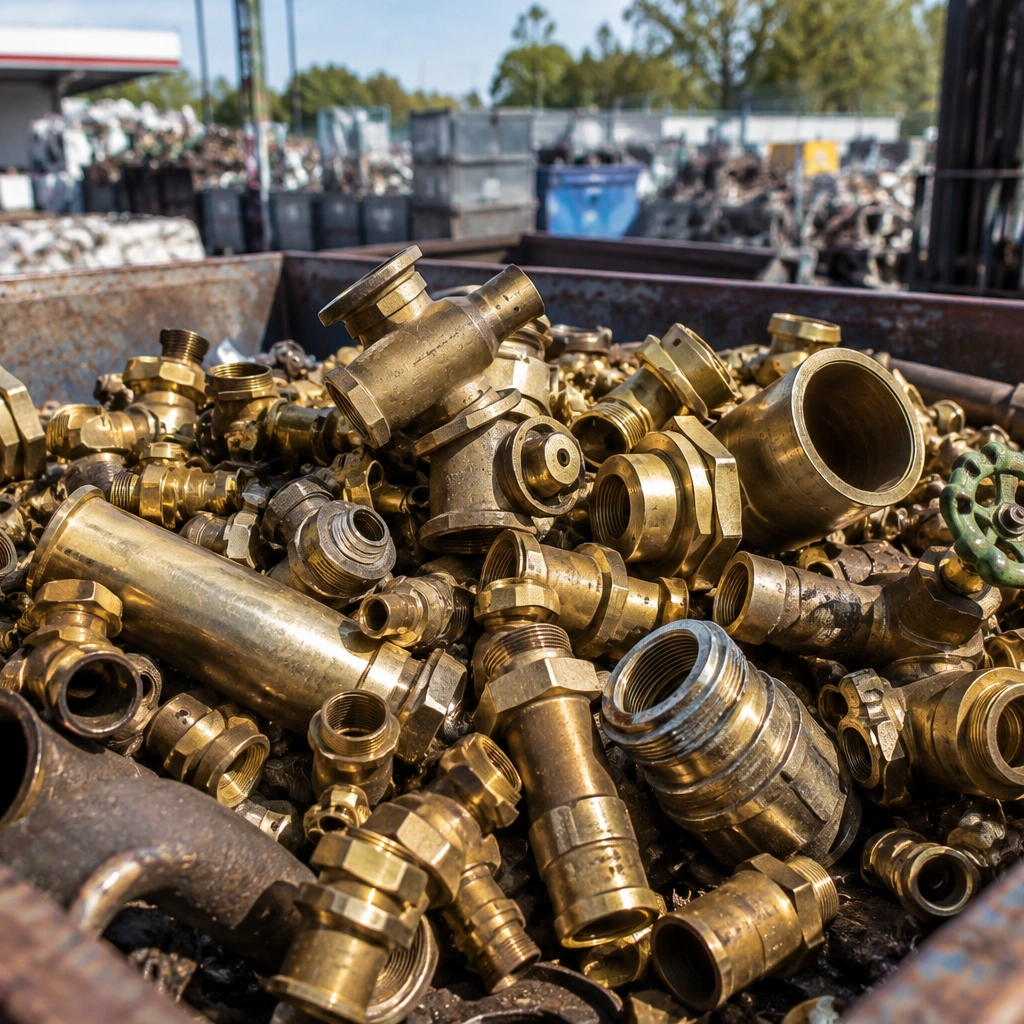
Brass is one of those metals people walk past without realising what they are looking at. It turns up in old taps, curtain rods, door handles, light fittings, and plumbing valves, and because it is often painted, tarnished, or mixed in with other bits and pieces, plenty of it ends up in the bin simply because nobody stopped to check. That is a shame, because brass is one of the better paying common scrap metals in Melbourne, sitting well above steel and aluminium and not far behind copper.
Before getting into where to sell it, it is worth spending a moment on the question that trips most people up first: how do you actually know if something is brass?
Is It Actually Brass? A Quick Way to Check
Brass is an alloy of copper and zinc, and it has a few reliable tells that separate it from similar looking metals like bronze, chrome plated steel, or gold coloured plastic.
- The magnet test: brass is not magnetic. If a magnet sticks to the item, you are looking at plated steel or iron, not brass.
- The colour: genuine brass has a warm, golden yellow tone, sometimes leaning more orange or red depending on the copper content. A cold, silvery yellow is more likely chrome or nickel plating over a different base metal.
- The weight: brass is noticeably heavier than plastic or aluminium of a similar size, so an item that feels surprisingly light for its size is less likely to be solid brass.
- The wear pattern: on old taps and fittings, look for spots where the surface finish has worn through, particularly around handles and high contact points. If a different coloured metal shows through underneath, that is usually a sign of plating over a brass or bronze base.
If you are still unsure after checking these, most scrap yards, including Sky Scrap Metal, are happy to take a look at a photo or the item itself and tell you what you have before you commit to bringing in a whole load.
Where Brass Scrap Actually Comes From
Brass shows up in more places than people expect, which is part of why it is worth getting familiar with. Around the house, common sources include old taps and mixers, door handles and hinges, curtain rods, light fittings, and decorative ornaments. Renovations and plumbing jobs are a particularly rich source: gate valves, ball valves, tap bodies, isolation valves, and old fittings pulled out during a bathroom or kitchen strip out all add up quickly. Demolition sites, especially older commercial buildings, often contain more brass than modern construction, since older plumbing and gas systems relied heavily on brass fittings and valves. Radiators from older vehicles and machinery are another source, since many older radiators used brass or copper tube construction rather than the aluminium common in modern cars.
The Grades That Affect What You’re Paid
Not all brass is priced the same, and understanding the difference is the single biggest factor in getting a fair price.
Yellow brass
The most common form, found in the majority of household plumbing fittings, curtain rods, and hardware. Typically made up of 60 to 70 per cent copper with the remainder zinc.
Red brass
Contains a higher proportion of copper, often around 85 per cent, which makes it more valuable than standard yellow brass. Common in older, higher quality fittings and some plumbing components.
Mixed or contaminated brass
Fittings with rubber washers, steel stems, plastic handles, or heavy solder still attached are priced lower, since the yard has to account for the extra processing needed to remove the non brass material.
A simple way to tell red from yellow brass, if you are not sure, is the file test: file a small section on an inconspicuous part of the item. If the exposed metal underneath is a deep red or orange, you have red brass. A bright golden yellow underneath means standard yellow brass.
As a rough guide, clean yellow brass in Melbourne is currently tracking somewhere between $4.00 and $7.20 per kilogram, red brass and gunmetal a little higher again, and mixed or contaminated brass down around $2.50 to $4.00 per kilogram. These figures move daily with the market, so treat them as a general guide rather than a quote.
Where to Sell Brass in Melbourne
For most people, a local scrap metal yard is the simplest and fastest option. Bring your brass in during business hours, it gets weighed and graded on the spot, and you are paid the same day. This works well whether you have a small bag of old fittings or a larger load from a renovation.
Plumbers, gas fitters, and demolition workers who generate brass regularly are often better served by setting up an ongoing drop off or collection arrangement rather than treating each job as a separate trip. If you are a tradie accumulating brass across multiple jobs, it is worth keeping a dedicated container in the van or at the depot specifically for brass, separate from copper pipe offcuts and general steel waste, so it arrives clean and sorted.
For genuinely large volumes, such as a commercial demolition or a big strip out job, it is worth calling ahead with an estimate of the volume so a collection can be arranged rather than trying to transport it all yourself.
Simple Ways to Get a Better Price
- Keep brass in its own container rather than mixing it through copper, steel or general scrap.
- Remove rubber washers, plastic handles, and steel stems where it is safe and practical to do so.
- Separate red brass from yellow brass if you can tell the difference, since the two are priced differently.
- Keep brass turnings dry if you have any from machining work, since wet or oil soaked turnings are priced lower.
- Call ahead for a current rate before bringing in a larger load, since brass prices move daily along with copper and zinc commodity prices.
Selling to a Licensed Buyer
Sky Scrap Metal has been buying brass and other non ferrous scrap from homeowners, plumbers, gas fitters, and demolition contractors across Melbourne’s south east for over a decade, based at 297 Hammond Road, Dandenong. Drop in during business hours for a same day payment, or call ahead for a collection if your load is larger. Reach the team on 0402 757 290 or 03 8753 6373.
Frequently Asked Questions
Q. How can I tell if an old tap is brass or just brass coloured?
Try the magnet test first. If it does not stick, and the item feels heavier than you would expect for its size, it is likely brass or a brass alloy. A worn spot showing a different colour underneath a shiny finish usually indicates plating over a base metal, which may or may not be brass.
Q. Is red brass worth more than yellow brass?
Yes, generally. Red brass has a higher copper content than yellow brass, and since copper drives most of brass’s scrap value, red brass typically commands a better price per kilogram.
Q. Do I need to clean brass fittings before selling them?
You do not need to polish anything, since brass is melted down rather than reused as is. What matters is removing non brass attachments like rubber washers, plastic handles, and steel screws where practical, since these reduce your effective weight and can drop the load into a lower priced mixed category.
Q. Can I sell brass ammunition casings for scrap?
Brass casings are a different category with their own handling requirements, and it is best to check directly with a scrap buyer about their specific policy before bringing any in.
Q. What is gunmetal, and is it the same as brass?
Gunmetal is a bronze alloy, technically different from brass, though the two are often grouped together in the scrap industry since both are copper based alloys with similar handling and pricing.