

 Air Conditioner Scrap
 Battery Scrap
 ELECTRICAL MOTORS SCRAP
 ELECTRICAL WIRE SCRAP
 CLEAN LEAD SCRAP METAL
 BRASS SCRAP METAL
 COPPER SCRAP METAL
 STAINLESS STEEL SCRAP
 ALUMINIUM SCRAP
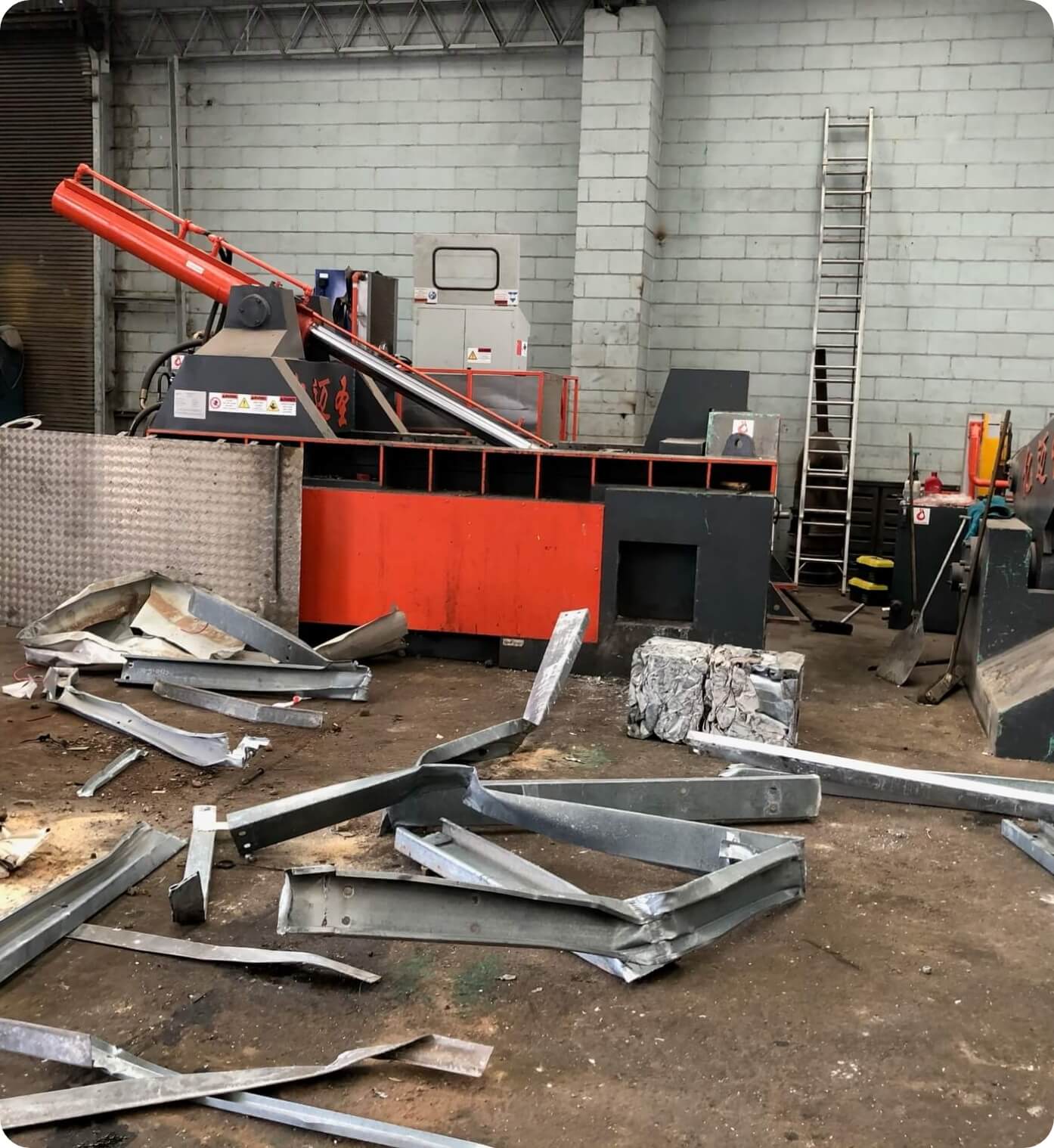
 SCRAP METAL RECYCLING
 SCRAP METAL REMOVAL
 CAR YARDS
 CAR REMOVAL
 VEHICLE DISPOSAL
 MONEY FOR CAR REMOVAL
Understanding Lightning: Risks and Practical Steps for Communities
Lightning strikes are a natural phenomenon that carry disproportionate risks in populated and agricultural regions. While spectacular to witness, the electrical discharge that defines a lightning strike can lead to fires, structural damage, and injuries. Understanding the science and preparing at household and municipal levels reduces harm and improves resilience.
How lightning develops and why it matters
Lightning forms when charge separation occurs within storm clouds or between clouds and the ground. The resulting electric potential can exceed millions of volts, producing a rapid discharge that heats the surrounding air to temperatures hotter than the surface of the sun. That sudden heating generates shock waves perceived as thunder, and the energy transfer can damage materials and ignite combustibles. The unpredictability of individual strikes makes avoidance and mitigation policies essential.
Health and structural risks
A direct lightning strike to a person is uncommon but often serious; it can cause cardiac arrest, burns, or neurological injury. Secondary effects—such as fires started in roofs or electrical surges—pose broader hazards to households and critical infrastructure. Buildings without proper surge protection or grounding are more susceptible to damage, and trees struck near homes can create falling-hazard scenarios. Emergency medical response is critical, and communities with organized response plans show better outcomes in historical analyses.
Practical preparedness at home and in neighborhoods
Mitigation begins with straightforward measures: ensure electrical systems have appropriate grounding and surge protection, install lightning rods and bonding where relevant, and maintain defensible space around structures by removing dry vegetation. Families should develop simple action plans that include shelter locations, an inventory of emergency supplies, and a communication protocol for reunification after storms.
Local authorities and meteorological agencies often publish region-specific guidance, and a centralized resource is https://lightning-stormau.com/ which aggregates alerts and safety advice tailored to different parts of the country. Consulting consolidated advisories can help households align their preparations with seasonal risk patterns and recommended protective measures.
Responding when a storm is imminent
When a thunderstorm approaches, seek an enclosed structure and avoid open fields, elevated terrain, and isolated trees. Inside, stay away from wired electronics and plumbing fixtures that can conduct electricity. If inside a vehicle with a metal roof and closed windows, remain there until the storm passes; the vehicle acts as a Faraday cage and can offer relative protection.
Communities should practice coordinated communication during high-risk periods. Early warning systems, simple evacuation routes for vulnerable facilities, and pre-positioned response resources reduce the time between strike and treatment for affected people. Training volunteers and first responders in basic lightning injury management—such as cardiopulmonary resuscitation and rapid triage—can be lifesaving.
Policy implications and ongoing research
Investments in public education, infrastructure hardening, and research into lightning forecasting yield benefits beyond immediate safety; they contribute to lower insurance losses and more reliable critical services. Scientists continue to refine models that predict lightning-prone areas and improve sensor networks that provide more timely warnings. Policymakers can leverage these advances to prioritize interventions in the highest-risk communities.
Lightning will remain an inherent part of severe weather systems, but its impacts are manageable with evidence-based planning, informed individuals, and coordinated local response. By combining practical home measures, community preparedness, and access to reliable advisories, the frequency and severity of lightning-related harm can be substantially reduced.