


 Air Conditioner Scrap
 Battery Scrap
 ELECTRICAL MOTORS SCRAP
 ELECTRICAL WIRE SCRAP
 CLEAN LEAD SCRAP METAL
 BRASS SCRAP METAL
 COPPER SCRAP METAL
 STAINLESS STEEL SCRAP
 ALUMINIUM SCRAP
 SCRAP METAL RECYCLING
 SCRAP METAL REMOVAL
 CAR YARDS
 CAR REMOVAL
 VEHICLE DISPOSAL
 MONEY FOR CAR REMOVAL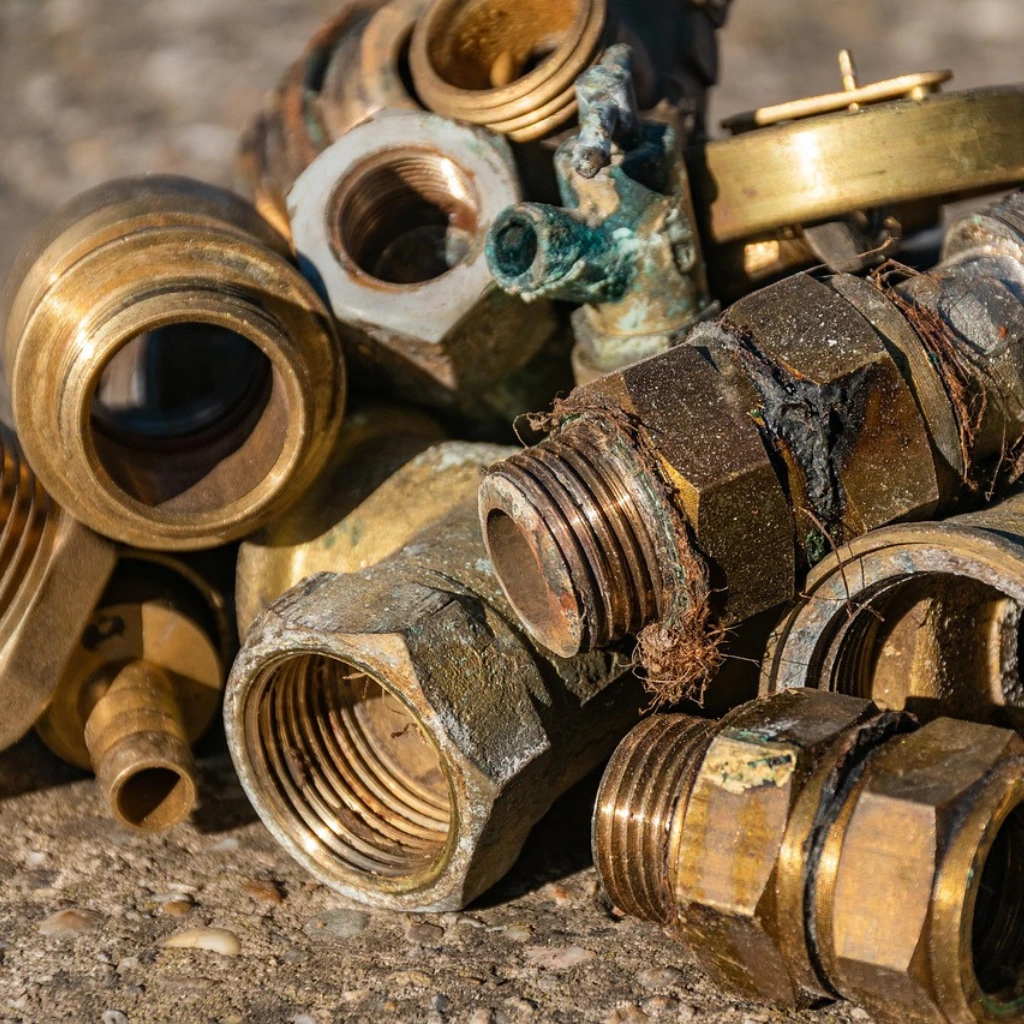
If you work in plumbing, gas fitting, demolition, or property renovation in Melbourne, brass scrap is likely accumulating on every job you do. Old gate valves, ball valves, tap bodies, isolation fittings, copper-brass manifolds, and stripped-out plumbing hardware all contain solid brass that a scrap yard will pay you for. The question most tradies ask is: how much is it actually worth, and does it pay to sort it properly?
The answer is yes, it absolutely pays. The difference between selling a bucket of mixed brass fittings and the same bucket with rubber washers, steel stems, and plastic handles removed can be $1.50 to $2.50 per kilogram. On a 20-kilogram load, that is $30 to $50 of additional return for twenty minutes of preparation. This guide covers the grades, the current Melbourne prices, and the practical steps that plumbers and demolition workers can take to consistently get the best rate on their brass.
What Makes Brass Valuable as Scrap Metal
Brass is an alloy of copper and zinc, with copper content typically ranging from 60 to 85 per cent depending on the grade. It is that copper content that drives its value at the scrap yard. Recycling brass requires approximately 90 per cent less energy than producing it from raw materials, which means recyclers and manufacturers actively compete for clean, well-sorted brass supply.
In Melbourne’s current market, brass is tracking between $4.00 and $7.50 per kilogram depending on grade and condition. That makes it significantly more valuable per kilogram than steel or aluminium, and only behind copper as the highest-value common metal in a plumber’s or demolition worker’s scrap pile. With copper prices at record highs in 2026, the strong copper content in higher-grade brass grades like red brass is pushing those rates firmly toward the upper end of the range.
Why the Grade of Your Brass Matters More Than You Think
Most tradies know that brass is worth something, but many do not realise how much the grade affects the payout. The key distinction is between red brass and yellow brass.
Red brass (gunmetal). This is the premium grade. Red brass contains approximately 85 per cent copper, along with small amounts of tin and sometimes lead. It has a distinctly deeper reddish-orange colour compared to yellow brass. You will find red brass in heavy-duty stop cocks, water meters, commercial valves, and industrial fittings designed for high pressure or corrosive environments. Red brass is currently the highest-value brass grade in Melbourne at $5.50 to $7.50 per kilogram.
Yellow brass. The most common type, containing 60 to 70 per cent copper with the remainder being zinc. Most standard household taps, bathroom fittings, ball valves, and plumbing hardware are yellow brass. Clean, sorted yellow brass currently fetches $5.00 to $7.00 per kilogram in Melbourne. The key word is clean: rubber washers, plastic handles, and steel components attached to the fitting drag the entire load down to mixed brass pricing if not removed.
Mixed brass. Unsorted or contaminated brass with non-brass attachments still intact. This is what most plumbers sell if they throw everything into one bucket without sorting. Mixed brass currently attracts $2.50 to $4.00 per kilogram in Melbourne. The gap between mixed and clean yellow brass is significant and entirely avoidable with a small amount of preparation.
The file test: Not sure whether a fitting is red or yellow brass? File a small section on an inconspicuous part of the fitting. If the exposed metal is deep red or orange, it is red brass. If it is bright golden-yellow, it is yellow brass. Keeping these two grades separate when selling can add $0.50 to $1.50 per kilogram to your overall return.
Melbourne Scrap Brass Prices by Grade: April 2026
The table below covers the main brass grades accepted at Sky Scrap Metal in Dandenong, with current indicative Melbourne market rates.
|
Grade |
Composition |
Common Sources |
Rate per kg (AUD) |
Key Notes |
|
Red Brass (Gunmetal) |
85%+ copper, with tin and sometimes lead. Deep reddish colour. |
Heavy-duty valves, water meters, marine fittings, industrial stop cocks |
$5.50 to $7.50 |
Highest-value brass grade. Separate from yellow brass. |
|
Yellow Brass (Clean) |
60 to 70% copper, 30 to 40% zinc. Bright golden colour. |
Taps, bathroom fittings, decorative hardware, shell casings |
$5.00 to $7.00 |
Must be free of plastic, rubber and steel attachments. |
|
Plumbing Brass (Mixed Fittings) |
Mainly yellow brass with minor contamination from fittings |
Gate valves, ball valves, P-traps, elbows, tee fittings |
$4.00 to $6.00 |
Remove rubber washers and steel stems for better rate. |
|
Brass Turnings / Machining Chips |
Fine shavings and offcuts from machined brass components |
Engineering workshops, CNC machining, manufacturing |
$3.50 to $5.50 |
Must be dry and oil-free. Wet or contaminated turnings attract lower rate. |
|
Brass Radiators (Automotive) |
Brass tubes and copper fins. Older vehicle radiators. |
Pre-1990s cars, trucks, vintage vehicles, farm machinery |
$3.00 to $5.00 |
Remove plastic tanks and rubber hoses before bringing in. |
|
Brass Shell Casings |
High-purity cartridge brass, typically 70% copper |
Shooting ranges, gun clubs, military decommissioning |
$4.50 to $6.50 |
Must be deprimed and free of live primers. |
|
Mixed / Contaminated Brass |
Assorted brass with plastic, rubber, paint or other metals attached |
Demolition lots, unsorted renovation scrap |
$2.50 to $4.00 |
Sorting and cleaning significantly increases value. |
Price Disclaimer: Price ranges above are compiled from publicly available third-party market data including Fast Copper Scrap, Melbourne Copper Scraps, Vic Star Metals, and West Metal Recycling (accessed April 2026). This data is used for general reference purposes only. Sky Scrap Metal is not affiliated with these sources and makes no representation that these prices will be available at the time of reading. Prices change daily. These figures do not constitute a quote or offer. Contact Sky Scrap Metal on 0402 757 290 for current rates.
For Plumbers: What to Collect and How to Maximise Your Return
Plumbers in Melbourne are among the most consistent generators of brass scrap in the city. A typical bathroom renovation strip-out, kitchen replumb, or hot water system replacement can yield several kilograms of fittings, valves, and tap bodies in a single day. Here is how to make the most of it.
Set up a dedicated brass bin on your vehicle or at your depot. Keeping brass separate from copper pipe offcuts, steel fittings, and general rubbish from the start avoids sorting headaches later and ensures your brass load arrives clean.
Remove rubber and plastic components before selling. Rubber washers, O-rings, plastic tap handles, and chrome-plated plastic sleeves are the main contaminants in a plumber’s brass load. Removing them takes very little time on the job site and can push your entire load from mixed pricing to clean yellow brass pricing.
Use a magnet to check for hidden steel. Ball valves and gate valves often have steel stems, springs, or screws inside brass bodies. Running a magnet over the fitting takes seconds. If steel components pull out easily, remove them. If they are embedded in the brass body, bring the whole fitting in and let us assess it.
Keep red brass fittings separate. Industrial stop cocks, water meters, and heavy commercial valves are often red brass. Keep a separate bag or container for these. Mixing red brass into a yellow brass load means you get paid the yellow rate for everything, losing the red brass premium on those components.
Accumulate a meaningful load before selling. There is no minimum for a drop-off at our Dandenong yard, but a 15 to 20 kilogram load of clean brass makes the trip genuinely worthwhile at current Melbourne prices. Many plumbers accumulate across two to three weeks before making a run.
For Demolition Workers: Identifying and Separating Brass on Site
Demolition sites are one of the richest sources of brass scrap in Melbourne. Older commercial and industrial buildings often contain significantly more brass than modern construction, particularly in their plumbing, gas, and hydraulic systems. Here is what to look for and how to handle it.
Older commercial plumbing. Buildings constructed before the 1990s typically used heavy brass gate valves and stop cocks throughout their plumbing systems. These are often red brass or high-copper yellow brass and among the highest-value fittings you will find on a demolition site.
Brass radiators in older vehicles and machinery. Plant and equipment stored in or around older industrial sites often contains brass-tube automotive radiators. These should be stripped of plastic tanks and rubber hoses before scrapping for the best return.
Gas fittings and regulators. Brass is the standard material for gas fittings, regulators, and manifolds. These accumulate quickly on commercial demolitions and are worth collecting separately. Ensure all gas fittings are fully depressurised and safe before handling.
Bulk lots versus sorted material. On large demolition sites, it may not be practical to sort brass grades on the spot. Bringing in an unsorted lot is fine and we will assess and grade it at the yard. However, if you have the capacity to separate obvious red brass fittings from the general yellow brass pile before you load out, the return on those red brass items specifically will improve meaningfully.
Frequently Asked Questions
Q. How do I identify brass versus copper or bronze?
Brass has a distinctive golden-yellow or reddish-gold colour depending on the grade. Copper is distinctly orange-red with no yellow tones. Bronze is similar to red brass but typically duller and grainier in texture. If you are unsure, the file test described above gives a clear answer: yellow shavings mean brass, orange or red shavings confirm high-copper alloys including red brass or bronze. When in doubt, bring the material in and our team will identify it for you.
Q. Should I clean brass fittings before bringing them in?
You do not need to polish or wash brass fittings. The value is in the metal, not the appearance. What matters is removing non-brass attachments such as rubber washers, plastic handles, steel screws, and chrome-plated fittings. A quick sort to remove obvious contamination is all that is needed. Tarnished, aged, or discoloured brass is assessed the same as bright brass provided it is clean of attachments.
Q. Are chrome-plated brass fittings accepted?
Yes, but chrome-plated brass is typically assessed at a lower rate than clean uncoated brass because the chrome plating must be processed out during recycling. If you have a mix of chrome-plated and uncoated brass, keeping them in separate containers allows us to price each correctly and ensures the chrome plating does not drag down the rate on your clean fittings.
Q. I have a large demolition lot of mixed plumbing brass. Do you offer collection?
Yes. For large volumes from demolition sites and commercial strip-outs, we can discuss a collection arrangement. Call us on 0402 757 290 with an estimate of the volume and location, and our team will advise on whether a collection is practical and what rate you can expect. For significant commercial lots, calling ahead with photos saves time on both sides.
Q. Can I bring in brass turnings from a machining workshop?
Yes. Brass turnings are accepted and are worth accumulating in bulk before making a trip given the volume required for a meaningful load. The key requirement is that turnings must be dry and reasonably free of cutting oil. Wet or oil-saturated turnings are assessed at a lower rate because of the added processing requirement. Store them in a sealed container between jobs to keep them dry.
Q. What is the difference between brass and gunmetal? Are they the same?
Gunmetal and red brass are often used interchangeably in the scrap industry and refer to the same general category of high-copper brass alloy containing approximately 85 per cent copper with tin and sometimes lead. Technically, gunmetal is a specific bronze-like alloy, but in the scrap trade it is priced and assessed in the same bracket as red brass. Both are worth more per kilogram than standard yellow brass and should be kept separate when selling.
Ready to Sell Your Scrap Brass in Melbourne?
Sky Scrap Metal in Dandenong buys all grades of brass from plumbers, demolition workers, gas fitters, and businesses across Melbourne’s south-east. Bring your load in during business hours or call ahead for a current quote on your specific material.
Call us: 0402 757 290 | 03 8753 6373
Visit us: 297 Hammond Road, Dandenong VIC 3175
Hours: Monday to Friday 8am to 5pm, Saturday 8am to 12:30pm
All brass grades accepted. Competitive rates. Instant payment by bank transfer.